

Effortless, versatile building control for optimized integration and performance.
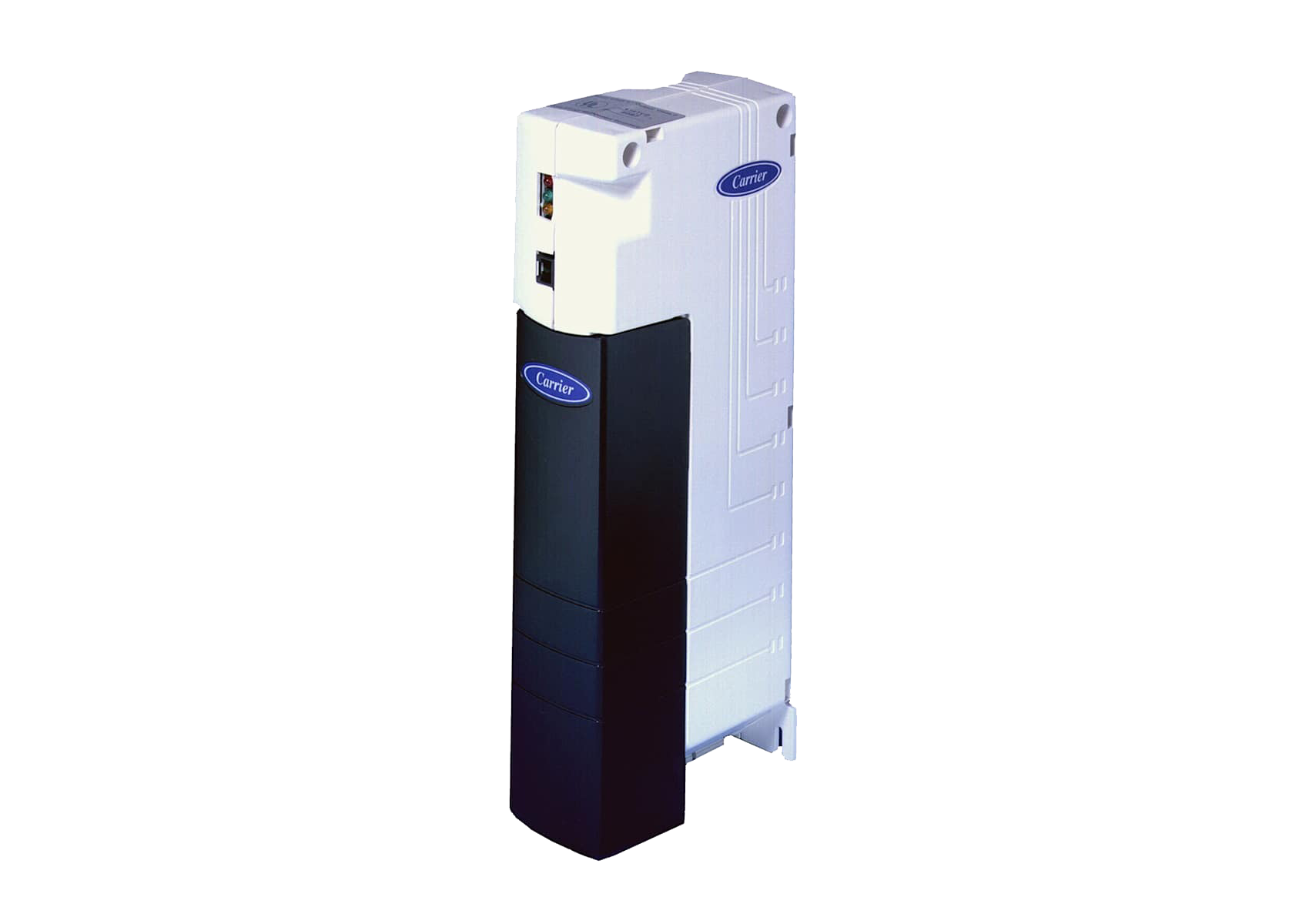
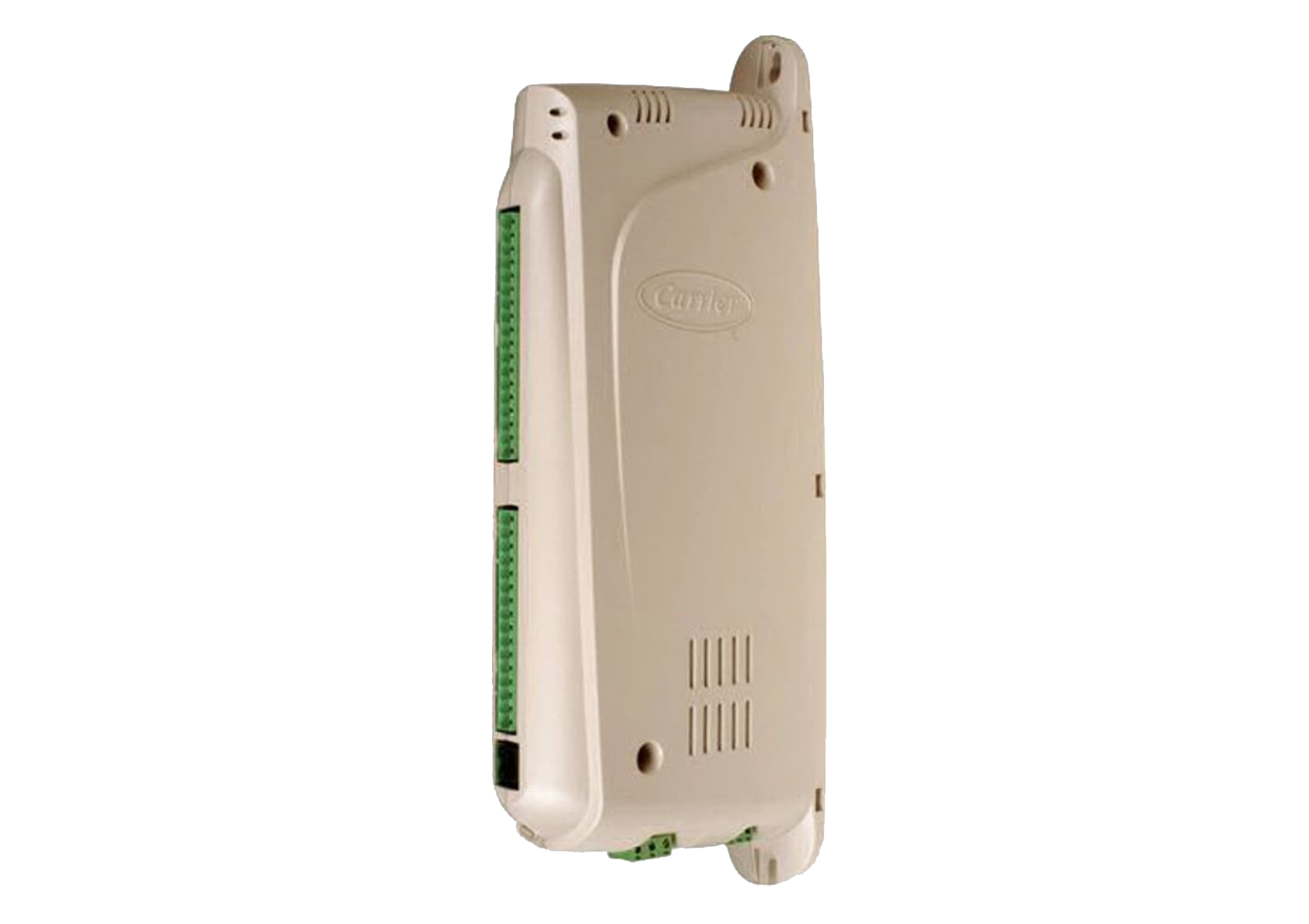
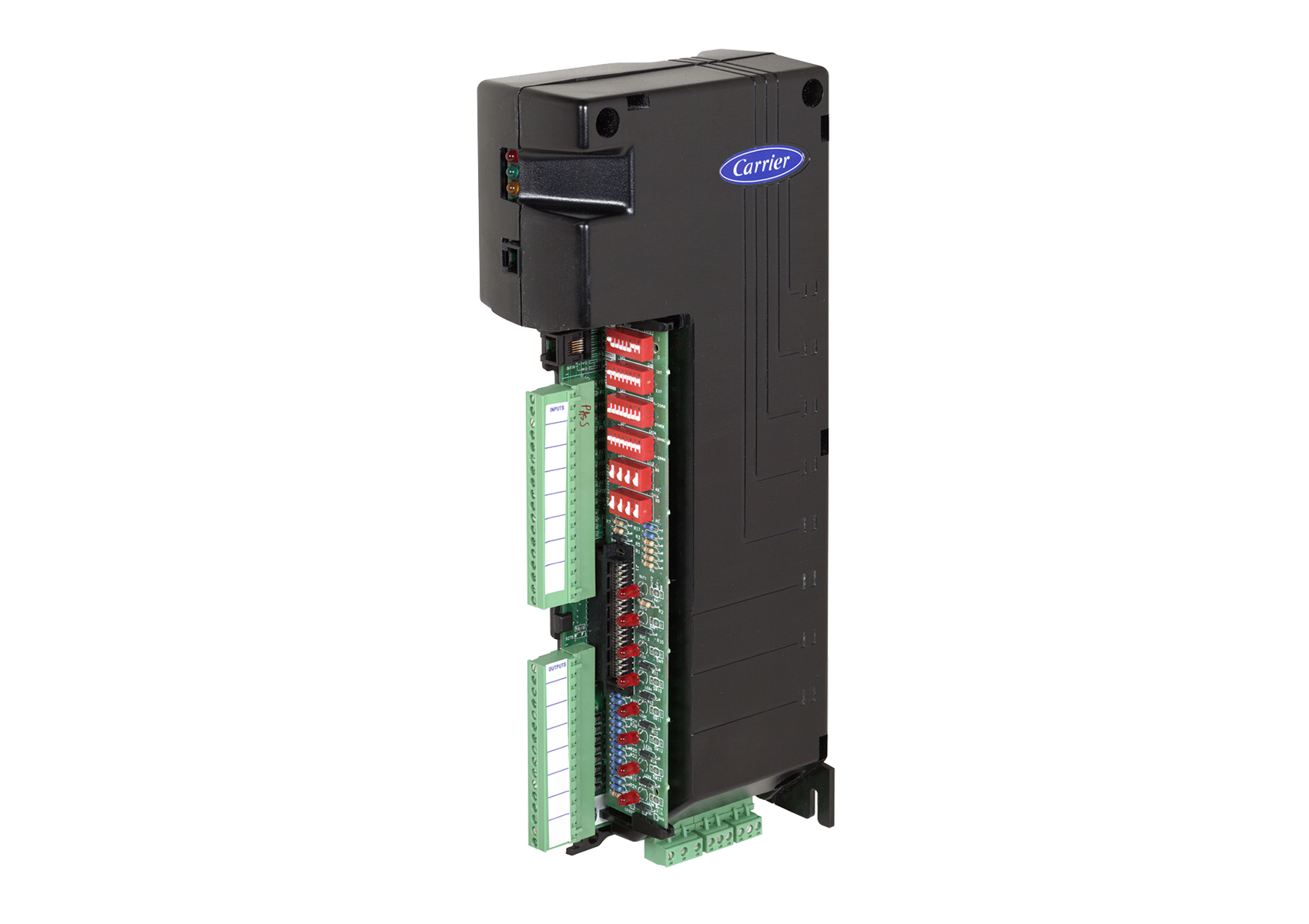
The Carrier® Comfort Network® Universal Controller 33UNIVCTRL-01 takes building control to the next level. Designed for small-to-medium commercial applications, this controller offers the flexibility to manage auxiliary building systems such as lighting, fans, pumps and HVAC equipment through stand-alone or Carrier networked environments. Equipped with advanced pre-engineered algorithms, the Universal Controller ensures precision, energy-efficient automation and total facilities management. From optimizing climate control to integrating seamlessly with non-Carrier systems, this controller delivers reliable performance for dynamic commercial HVAC systems.
The controller supports the following control functions:
Constant Volume (CV) cooling and heating
Dehumidification
CV mixed air damper optimization
Fan, pump, and lighting control
Indoor air quality control
Generic PID control
Time scheduling with or without override
Analog temperature control
Discrete and permissive interlocks
Discrete staging control
Nighttime free cooling
Setpoint reset
Optimal start/stop
Airside system linkage
The controller provides 8 configurable inputs, each of which can be used as:
Discrete input (dry contact or pulsed dry contact)
Analog input (4–20 mA or 0–10 VDC)
Temperature input (5 kΩ or 10 kΩ thermistor)
The controller includes 8 configurable outputs, each selectable as:
Discrete output (24 VDC @ 80 mA)
Analog output (4–20 mA or 0–10 VDC, depending on point type)
Designed for installation in a field‑supplied NEMA‑1 enclosure
Powered by a Class II, SELV‑compatible, field‑supplied 24 VAC transformer (60 VA)
Yes. Features such as optimal start/stop, night free cooling, demand limiting, and setpoint reset help reduce energy consumption.
Yes. The inclusion of generic PID control and configurable I/O makes it suitable for custom control sequences.
It is designed for constant volume HVAC systems and can manage airside, hydronic, lighting, and IAQ applications.
No. Each input is fully configurable as discrete, analog, or temperature, offering high application flexibility.